
 HIVE

 •
NOVEMBER 2026
 A Note from Amy
Leave Your Litter
November brings a noticeable shift in the garden. Leaves are falling in earnest, the last of our fall-blooming flowers are fading, and insect activity is winding down as temperatures cool. But the gardening season isn't quite over! Depending on soil temperatures, there may still be time to plant, divide, and transplant. It's also an excellent time to tackle woody invasive species, many of which are still holding onto their green leaves, making them easier to identify and remove. And as our outdoor gardens settle in for winter, it's time to turn our attention indoors and start thinking about winter gardening projects—including one of my absolute favorites, Amaryllis!
Best Time to Remove Invasive Woody Shrubs and Vines!
Plants are pulling sap down into their root systems for winter survival so we want to use that mechanism to our advantage when it comes to removing invasive trees and shrubs like Amur and Tartarian Honeysuckle, Common Buckthorn, Burning Bush, Barberry, Wintercreeper vine, etc. Not only are these plants spreading into wild areas and choking out the native species that should be growing there but in our own gardens they offer no benefit to native wildlife like insects.
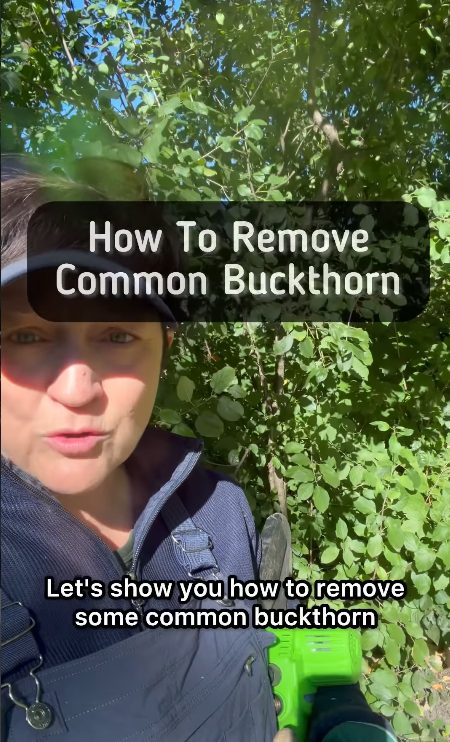
Amy has posted several videos in recent months about how to remove Common Buckthorn and Wintercreeper using a stump application of herbicide. You can use Glyphosate or Stump and Vine Killer (active ingredient Triclopyr). You can also use forestry herbicides with the same active ingredients. This stump cut method works on most invasive woody trees, shrubs and vines. You should always double check that the herbicide will work on the specific plant you want to remove and do not get any drops of herbicide on any plants you want to keep or you will kill them too.
Tree of Heaven gets a separate note: This is the time to remove it but you should not make a full stump cut. You should use Glyphosate and follow the Hack and Squirt Method. Here is a great article from Penn State about managing Tree of Heaven: https://extension.psu.edu/tree-of-heaven
Garden Coaching Session Notes
Amy has completed seeing clients on site for the year. The remaining virtual appointments are all booked. The 2027 schedule will be communicated here first. Usually on site appointments start in March so the calendar opens up in February to book those appointments. Thanks for a great coaching season!
Now is The Time…
Some plants have already shut down and gone dormant for winter and others are still in the process of shutting down. This process is called senescence. Insects are also at various stages of diapause, which is the hormonal state their bodies go into to survive winter.
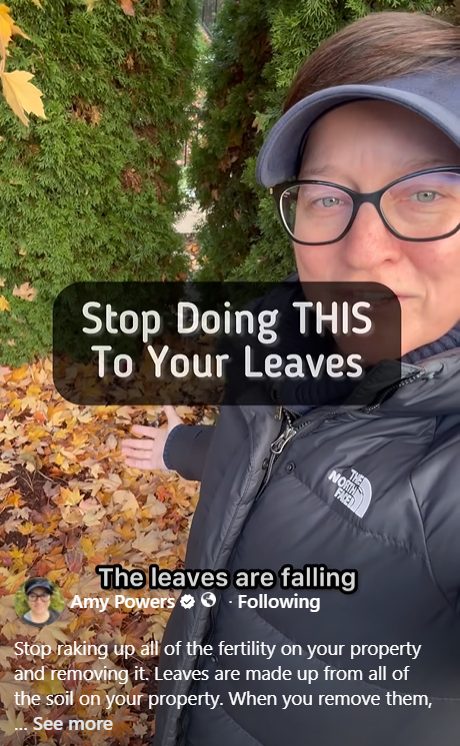
Leave as much plant litter as you can, including leaves and stems, for overwintering insects to live in. Hopefully you have some trees or shrubs with berries and seeds that the wildlife that live here all winter can eat. This is not the time of year we should be cleaning up.
In My Garden
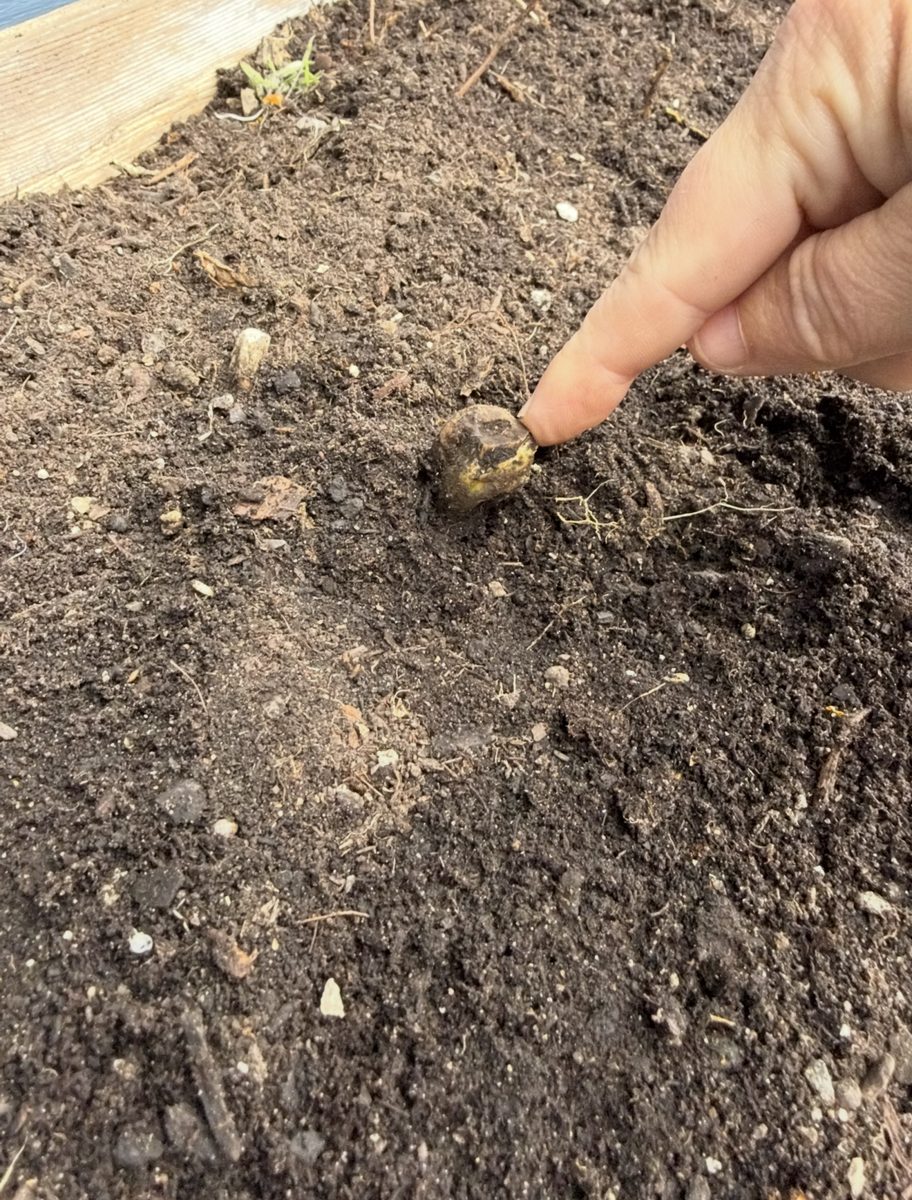
Amy has cleaned out the tender, warm season annuals from her vegetable and herb beds. This year she is trying the method where you just snip off the above ground stems and leave the root systems intact in the soil. There is good research showing that leaving roots to decay in the soil contributes to healthy organic matter. So instead of pulling all of those tomato and zucchini plants out of her raised beds, she just snipped the stems off at the soil level. Of course she has lots of cool season crops growing like arugula, carrots, kale and collards.
November Garden Checklist
Native Plant Spotlight
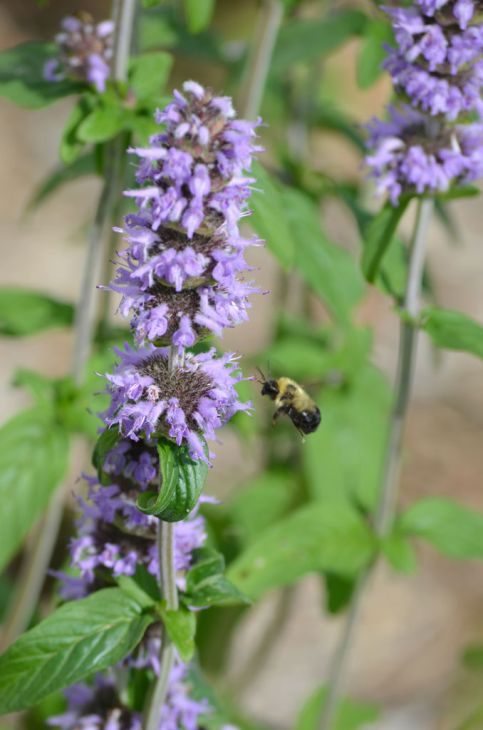
Downy Wood Mint
Amy’s Design Tip: Amy is trying this plant because she has some gaps in bloom time between late June and early July. Some of this plant will be going in her hellstrip/parkway planting, some will be going in the backyard around the spherical water feature and some will be going in the native perennial beds she has at the top of the retaining wall that she looks straight out at from her back patio door, where she removed the two panicle hydrangeas this year.
Fun Fact: The genus name Blephilia comes from the Greek word for eyelash, a nod to the fringe of fine hairs on the bracts beneath each whorl of flowers. Like its mint-family cousins it has square stems and leaves that smell minty when crushed.
 Did You Know?
Oak Trees Support Birds All Winter
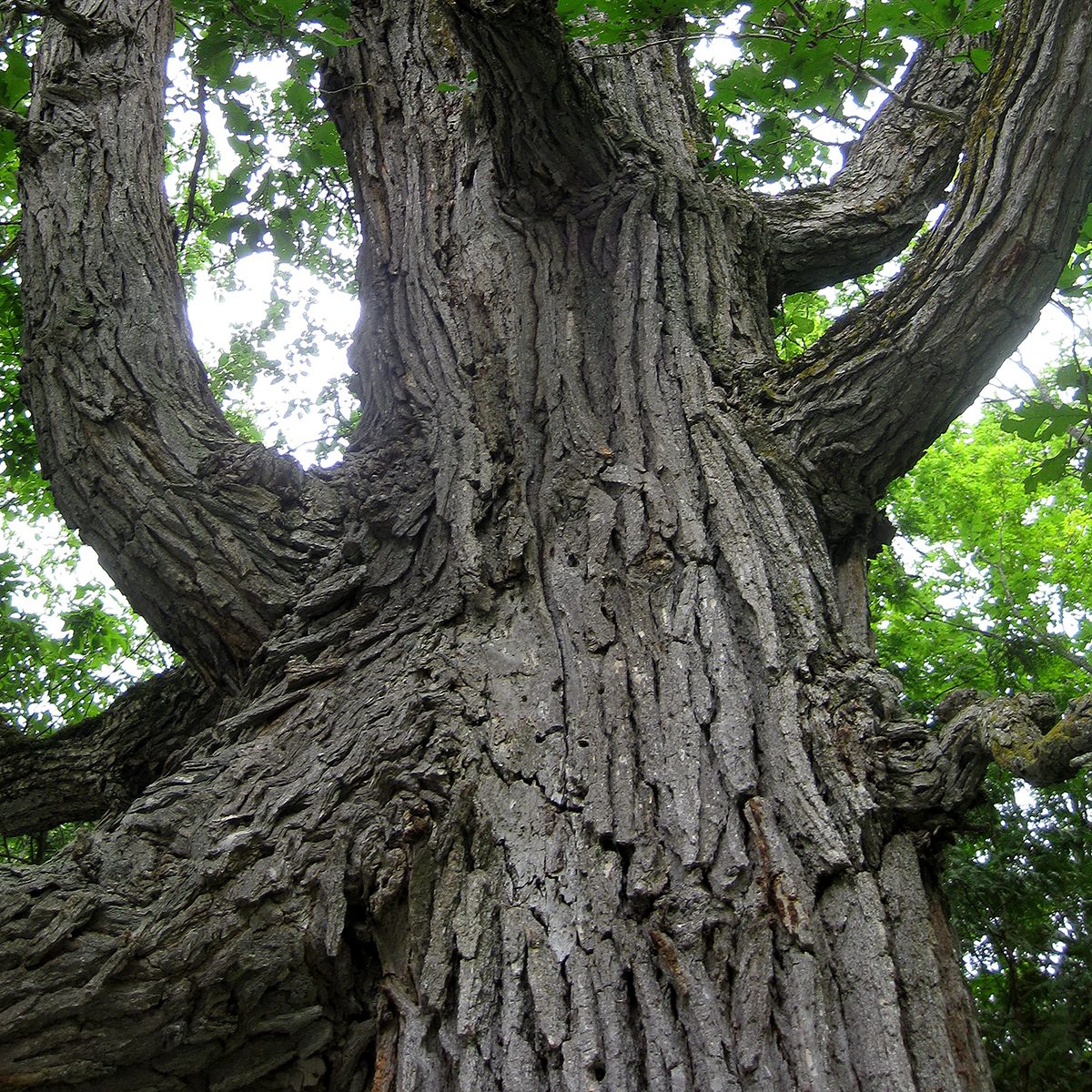
Did you know that the deeply furrowed bark of a mature oak tree provides shelter for an entire community of tiny creatures?
As temperatures drop in November, insects and spiders seek protected places to survive winter. The cracks and crevices in oak bark provide miniature refuges where some species overwinter as eggs, larvae, pupae, or adults.
Bark also supports lichens, fungi, and other organisms that contribute to the tree's ecological community. Some insects feed on these organisms, while others prey on insects hiding in the bark.
And here's where it gets even more interesting: Birds such as chickadees, nuthatches, and woodpeckers search oak bark for insects and spiders, making these trees an important winter food source even after their leaves have fallen.
Pollinator of the Month

Plants They Love: Two-spotted bumblebees are early season generalists so they don't depend on one particular floral resource. But early blooming trees, shrubs and perennials are especially valuable to the emerging queens establishing their colonies.
Woody shrubs/trees that bloom in early spring: Spicebush, Downy Serviceberry and Missouri Gooseberry
Early spring perennials: Pasque Flower, Prairie Smoke, Jacob's Ladder
Early spring ephemerals: Virginia Bluebells, Dutchman's Breeches and Claytonia
Amy’s Favorite Question This Month
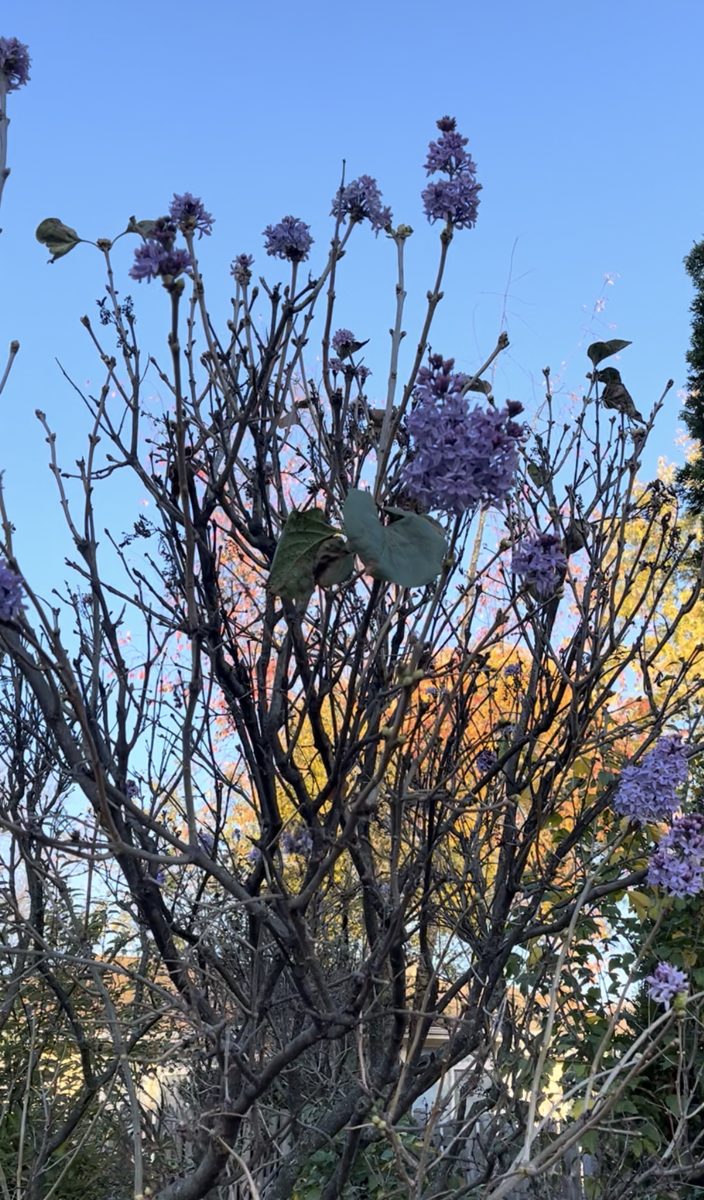
Why are my lilacs flowering in Fall?!
Lilacs will flower out of season when they have suffered environmental stress (like prolonged heat, drought or premature leaf drop) followed by very favorable growing conditions. This year in Chicago we saw a pretty cool week or so of weather, followed by really warm weather again. Very likely the cause. There was also a lot of lilac leaf drop due to very wet, cool spring conditions when leaves were emerging. The good news is, lilacs right now aren't fully blooming. The buds that don't open now will open in spring. There is nothing you should do and definitely don't fertilize or prune your lilacs in fall. Let them go to sleep for winter on their own.

Coming Soon: Amy's Gardening Gift Guide
Amy will do a round up of her favorite tools for the garden but she thinks it's too early to be talking about holiday gifts 🙂
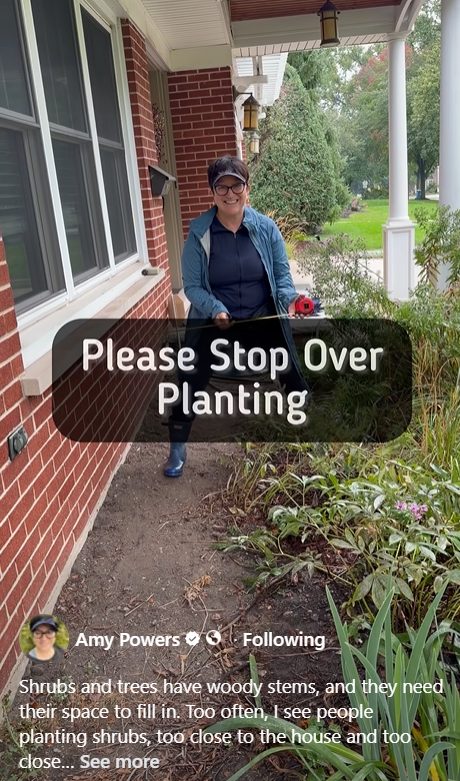
This Month’s Videos
Coming Next Month
Amy will be taking a break from social media during the late fall and winter months. She will post a few indoor gardening and winter milk jug sowing videos but not much. She needs to recharge for 2027!